
THE CRYSTALLOGRAPHY OF MINERALS
SAPPHIRE
Understanding the differences between Sapphires from various origins—Australian, Ceylon, Madagascar, Montana, Vietnam—helps you choose a stone that reflects your values and aesthetic.
This guide explains what makes each region's Sapphires unique and which is best for your needs.

SAPPHIRE
Mineral: Corundum
Chemical Composition: Aluminium Oxide (Al₂O₃)
Crystal System: Hexagonal (Trigonal)
Birthstone: September
Mohs Hardness: 9
A BRIEF HISTORY
Historically, Sapphires are best known as symbols of power, strength and wisdom. There are many myths and legends featuring Sapphires as magical healing or protecting stones. The choice of royalty, Sapphires were frequently worn around the necks of Kings as powerful amulets, thought to protect the wearer from harm and foster divine favour.
Sapphires are a gem variety of the mineral corundum; the other being Ruby. Both Sapphires and Rubies have the same chemical composition and structure. The difference is colour: natural red corundum is exclusively called Ruby, whilst all other colours—blue, green, yellow, orange, pink, and even colourless—are called Sapphires.
UNDERSTANDING MOHS HARDNESS
The Mohs Hardness Scale measures a mineral's resistance to scratching on a scale from 1 (talc, the softest) to 10 (Diamond, the hardest). This scale is crucial when selecting gemstones for everyday wear jewellery.
With a Mohs hardness of 9, Sapphires are second only to Diamond in hardness, making them exceptionally durable for rings meant to be worn daily. This exceptional hardness, combined with the mineral's broad colour palette, makes Sapphires an outstanding choice for engagement rings and wedding bands meant to last a lifetime.
WHAT CREATES COLOUR IN SAPPHIRES
Gems generally get their colour because of certain metals or trace elements contained within the mineral. In corundum, different combinations of iron, titanium, chromium, and nickel create the wide spectrum of Sapphire colours.
The geological conditions in different regions (temperature, pressure, and available trace elements) result in characteristic colours and appearances for Sapphires from specific origins.

AUSTRALIAN SAPPHIRES
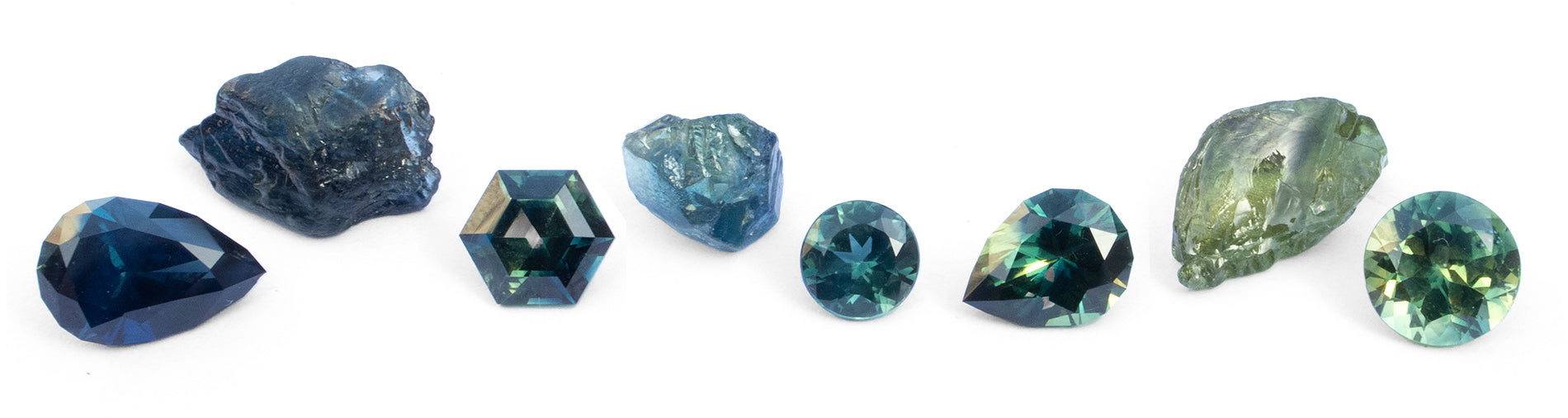
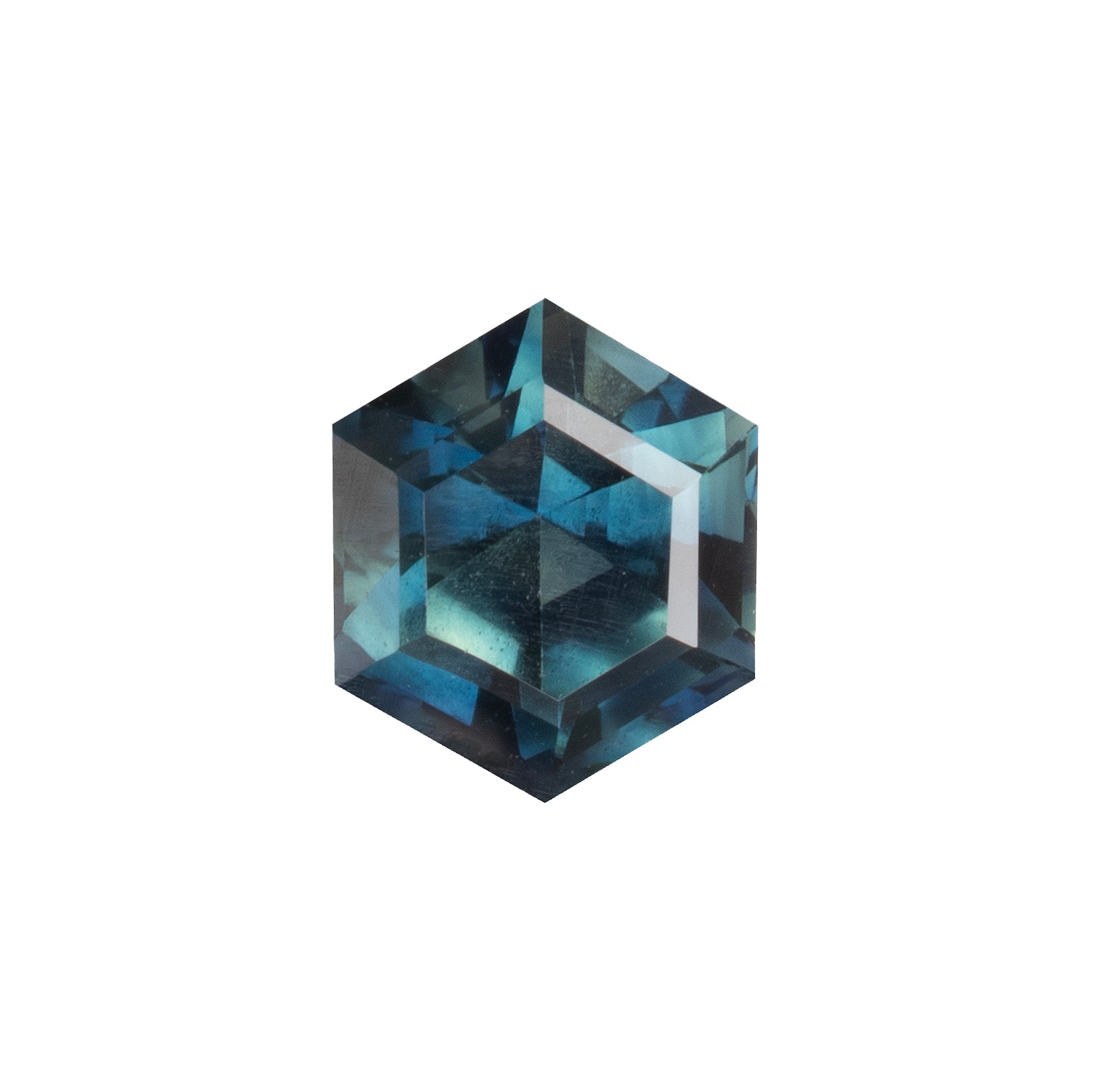
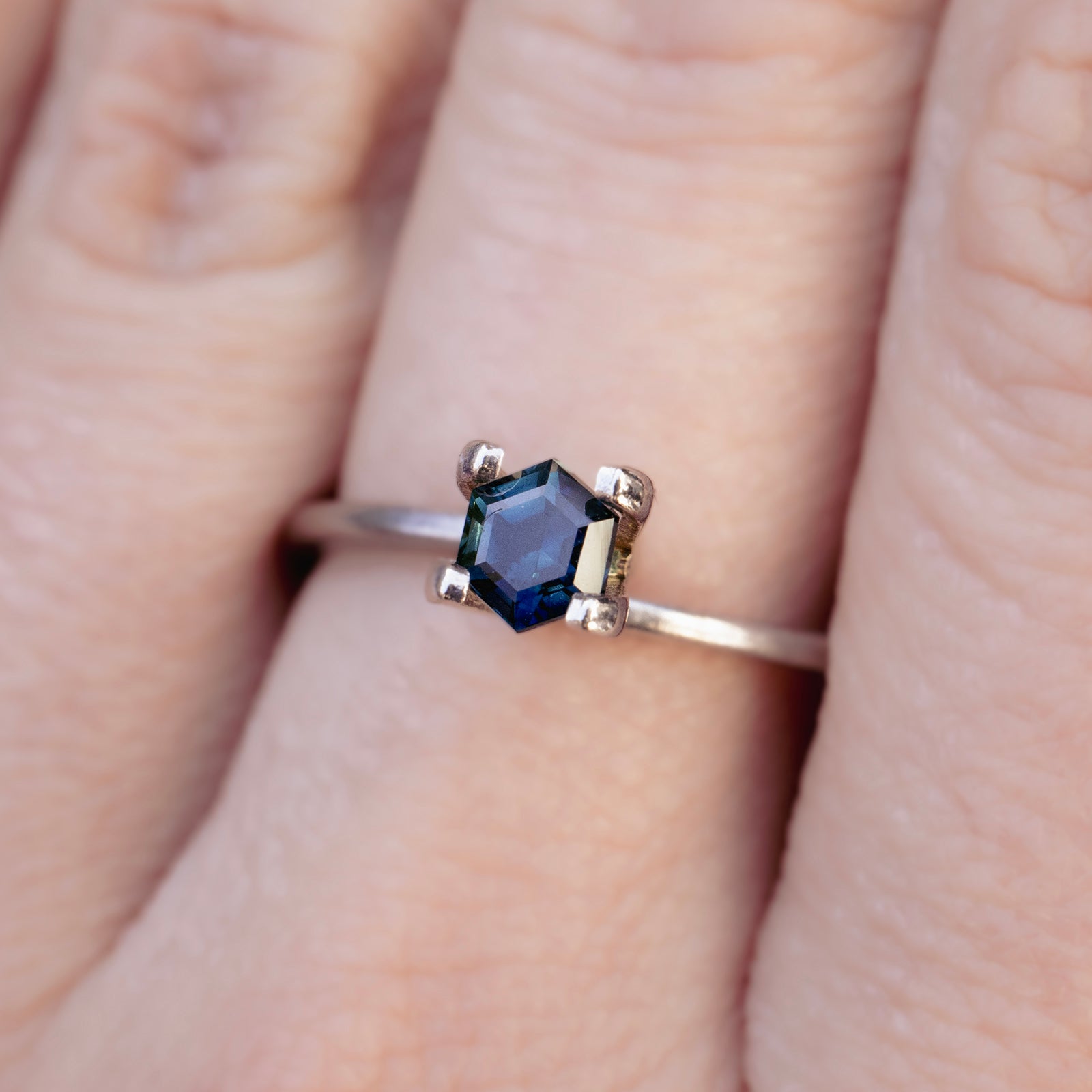
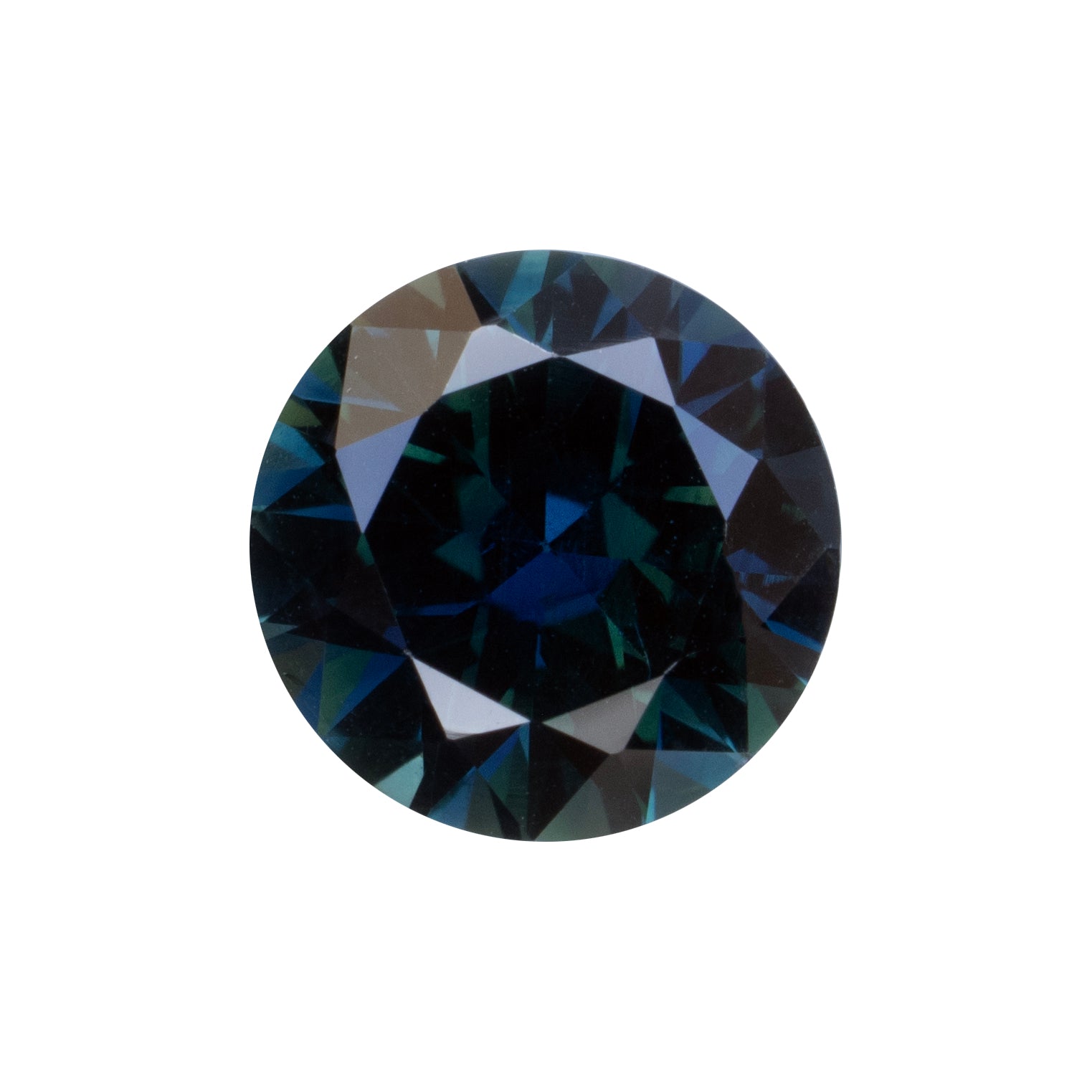
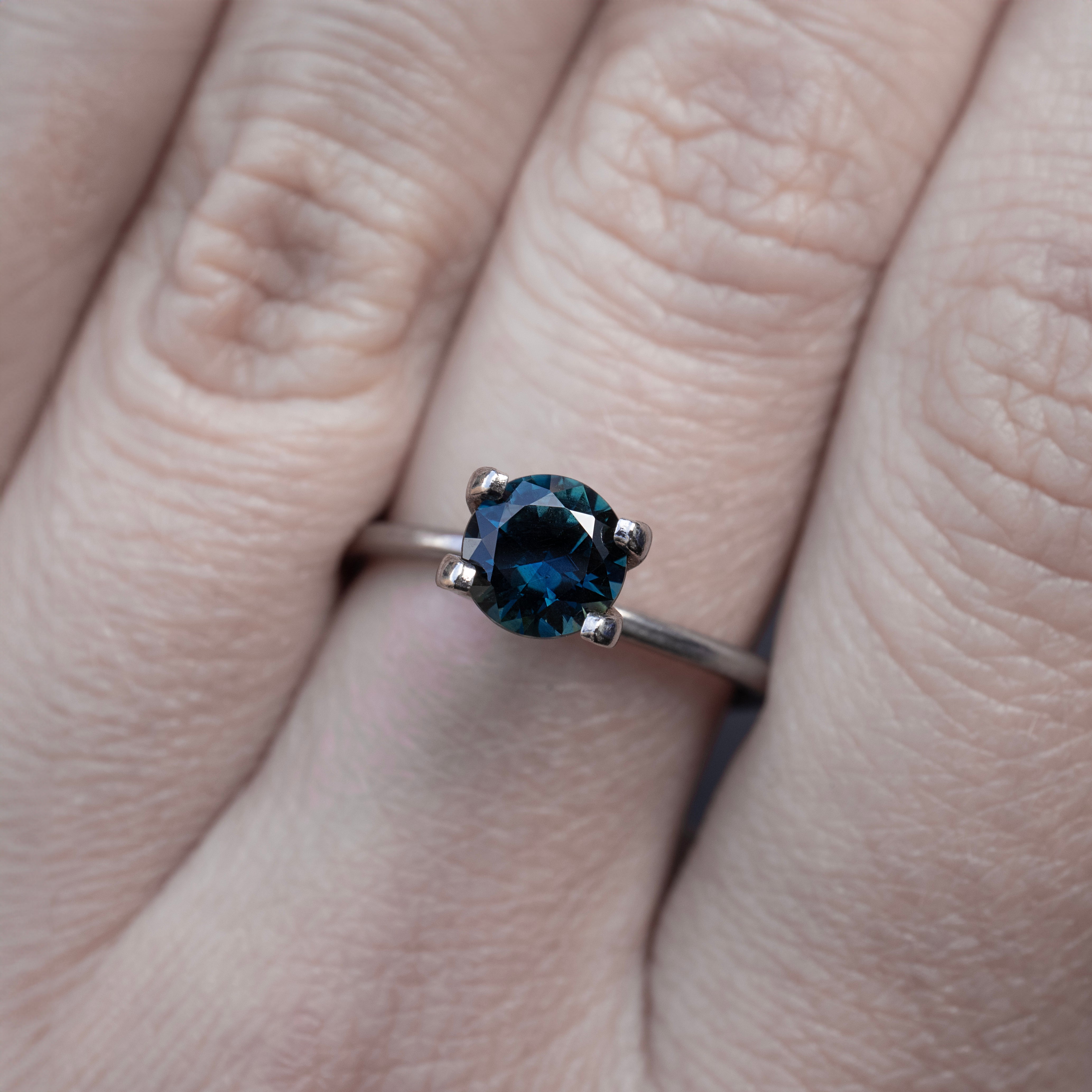
Australian Sapphires stand out for their rich, dark blue tones and exceptional Parti Sapphires. Mined primarily in the New England region of New South Wales and Central Queensland, these gems are prized for their robustness and unique character, reflecting the rugged landscapes from which they emerge.
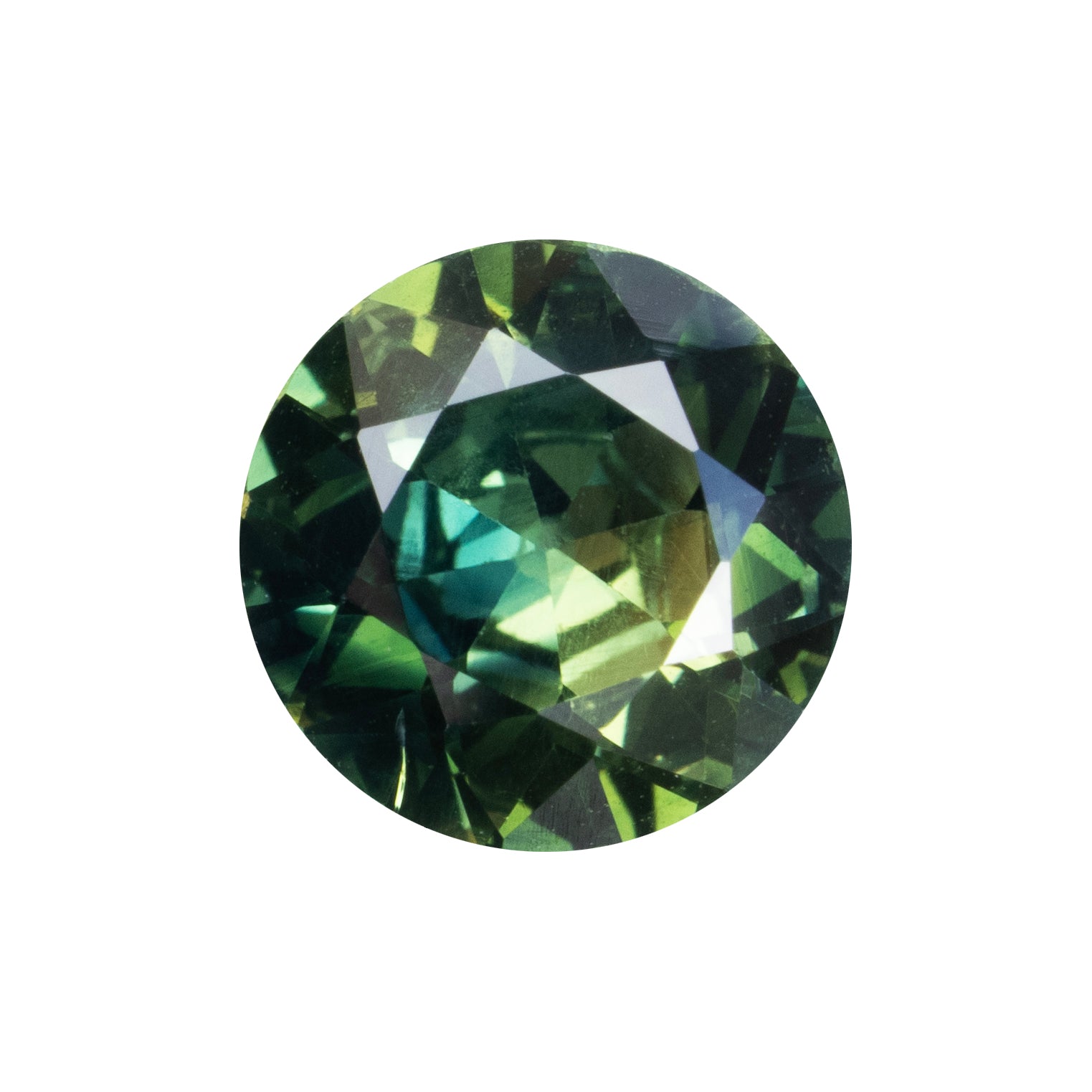
Characteristic Colours: Dark inky blue, midnight blue, blue-green, and distinctive Parti-colours (bi-colour or tri-colour zones of blue, green, and yellow)
Best for:
- Those seeking deep, saturated colour
- Unique Parti Sapphires that cannot be lab-created
- Durable stones with geological character
- Budget-friendly options compared to Ceylon
Considerations:
- Darker tones may appear nearly black in low light
- Parti stones are completely one-of-a-kind
- Often more included than Ceylon stones
- Excellent value for size
CEYLON (SRI LANKAN) SAPPHIRES
Ceylon Sapphires have a storied history, particularly noted for producing stones of light to medium blue colour, often described as having a 'cornflower' hue. The island's mines, especially in Ratnapura, yield Sapphires highly valued for their clarity and lustrous colour.
Sri Lanka is also the primary source for the rare Padparadscha Sapphire, displaying a delicate pink-orange colour reminiscent of a lotus flower.
Characteristic Colours: Light to medium cornflower blue, vivid blue, pink, yellow, and rare Padparadscha (pink-orange)
Best for:
- Those seeking brighter, more brilliant blue
- High clarity stones
- Rare Padparadscha collectors
- Traditional engagement ring aesthetic
Considerations:
- Generally more expensive than Australian Sapphires
- Prized for clarity and colour saturation
- Ceylon "cornflower blue" is highly sought after
- Wide range of pastel colours available
MADAGASCAN SAPPHIRES
Madagascar has risen to prominence since the 1990s as a major source of diverse Sapphires. The island's deposits are incredibly varied, producing Sapphires in nearly every colour from traditional deep blue to rare Padparadscha. Mines in Ilakaka and other regions have become crucial to global supply.
Characteristic Colours: Full spectrum—blue, pink, yellow, orange, green, Padparadscha, and Parti-colours
Best for:
- Wide variety of colour options
- Good balance of quality and value
- Those seeking unusual colours
- Padparadscha alternatives to Ceylon
Considerations:
- Highly variable quality across deposits
- Can offer excellent value
- Heat treatment very common
- Colour saturation ranges widely
SONGEA SAPPHIRES
Songea Sapphires from the Umba River Valley in Tanzania emerged as a significant source in the 1990s. These East African Sapphires are known for their warm colour palette and distinctive character, often displaying rich yellows, oranges, pinks, and peachy tones alongside blues and greens.
Characteristic Colours: Warm yellows, oranges, peachy pinks, golden hues, with some blues and greens
Best for:
- Warm, earthy colour palettes
- Those seeking orange and yellow Sapphires
- Unique colour saturation
- Alternative to Padparadscha at lower price points
Considerations:
- Often feature warm undertones even in blue stones
- Heat treatment common to enhance colour
- Can offer excellent value for saturated colour
- Quality varies across the deposit
MONTANA SAPPHIRES
Montana Sapphires from the United States offer a unique contribution, particularly from Yogo Gulch and Rock Creek. These Sapphires are known for their distinct pastel colour palette and exceptional clarity. Although smaller than stones from other regions, Montana Sapphires are highly valued for their natural, unenhanced beauty.
Yogo Gulch Sapphires are particularly notable for being untreated, displaying their natural colour without heat enhancement.
Characteristic Colours: Pastel blue, teal, green, pink, peach, and unique blue-green
Best for:
- Those valuing unheated, untreated stones
- Soft, muted colour palettes
- Supporting North American mining
- Smaller carat weights (typically under 2ct)
Considerations:
- Generally smaller sizes available
- Often unheated (particularly Yogo)
- Exceptional clarity
- Premium pricing for untreated stones
VIETNAMESE SAPPHIRES
Vietnamese Sapphires from the Yen Luc region are emerging as a source of unique, unheated stones with distinctive characteristics. These Sapphires often display a quality of silkiness that translates into opalescence, creating ethereal visual effects reminiscent of sunsets and frost.
Characteristic Colours: Milky white with pink and purple, showing unique undertones of orange or deep pink like sunsets; green and blue with pastel blue undertones like frost
Best for:
- Those seeking unusual, opalescent stones
- Unheated Sapphires with natural character
- Unique colour combinations and undertones
- Budget-conscious collectors of distinctive stones
Considerations:
- Stones are often included, contributing to their opalescent quality
- Faceting quality can be inconsistent compared to commercial cutting centres
- Colour payoff is usually visually interesting and rather unique
- Generally on the lower end of the price spectrum, though well-cut stones without heavy inclusions can command premium prices
- Each stone offers distinctive character rather than commercial perfection
PARTI SAPPHIRES: AUSTRALIA'S UNIQUE TREASURE
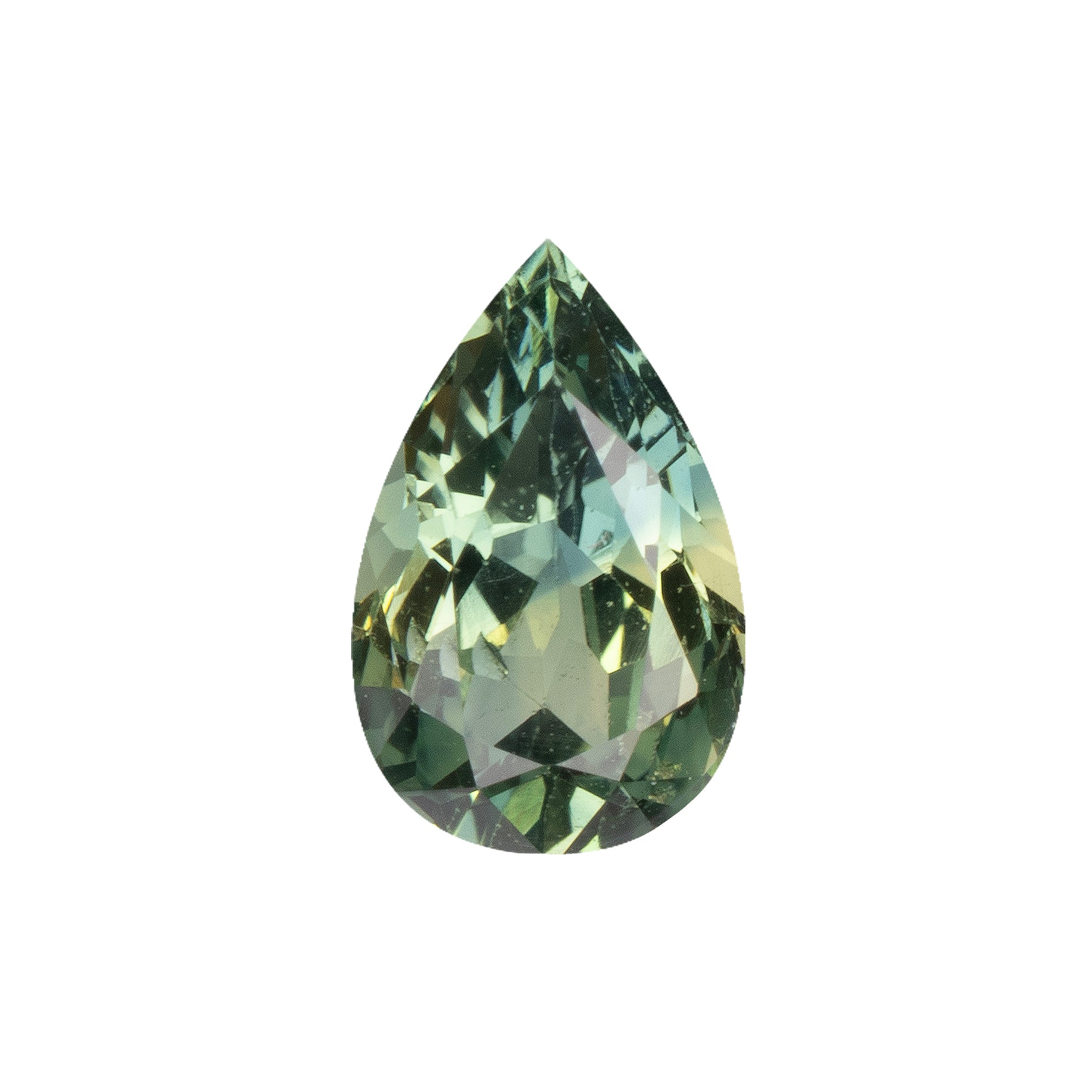
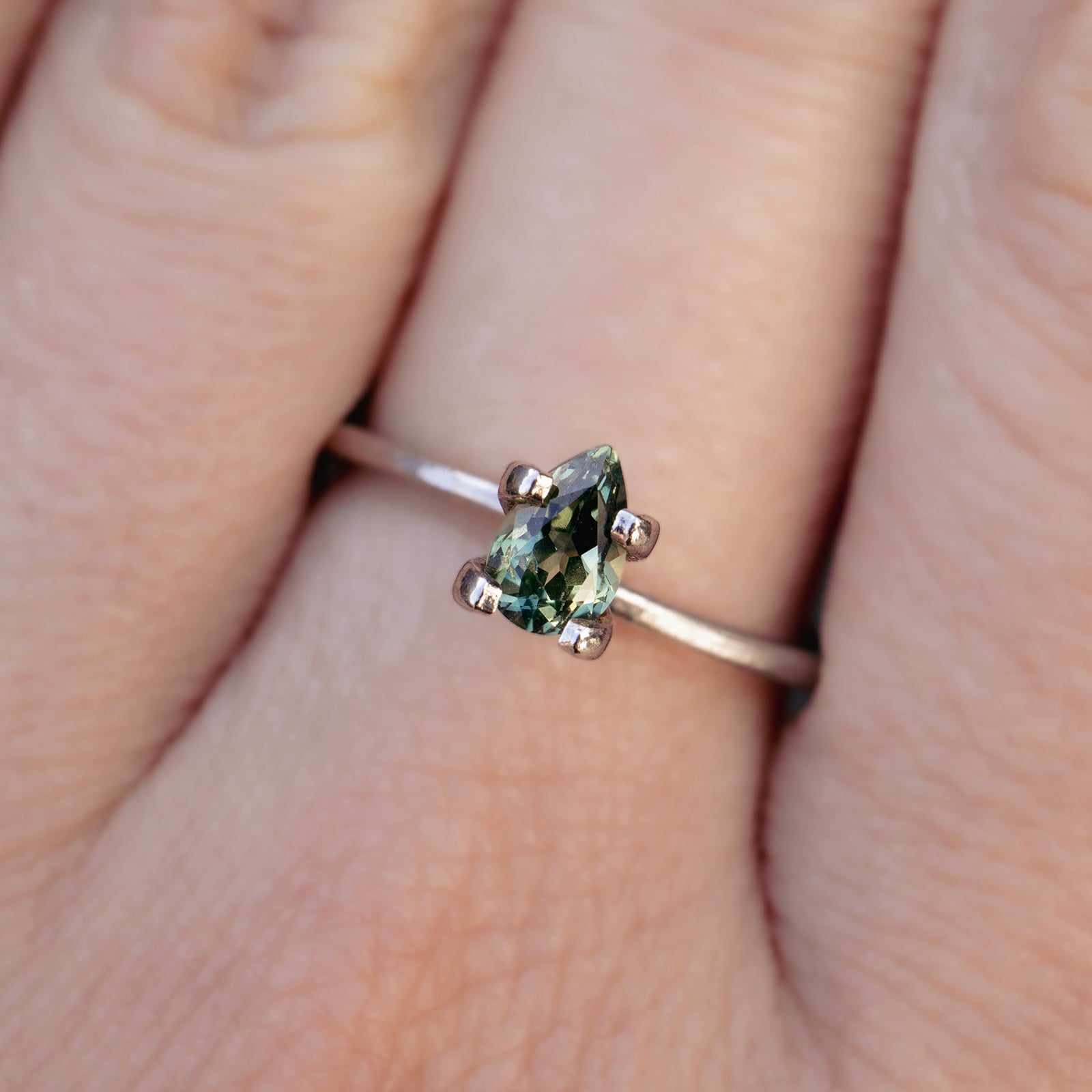
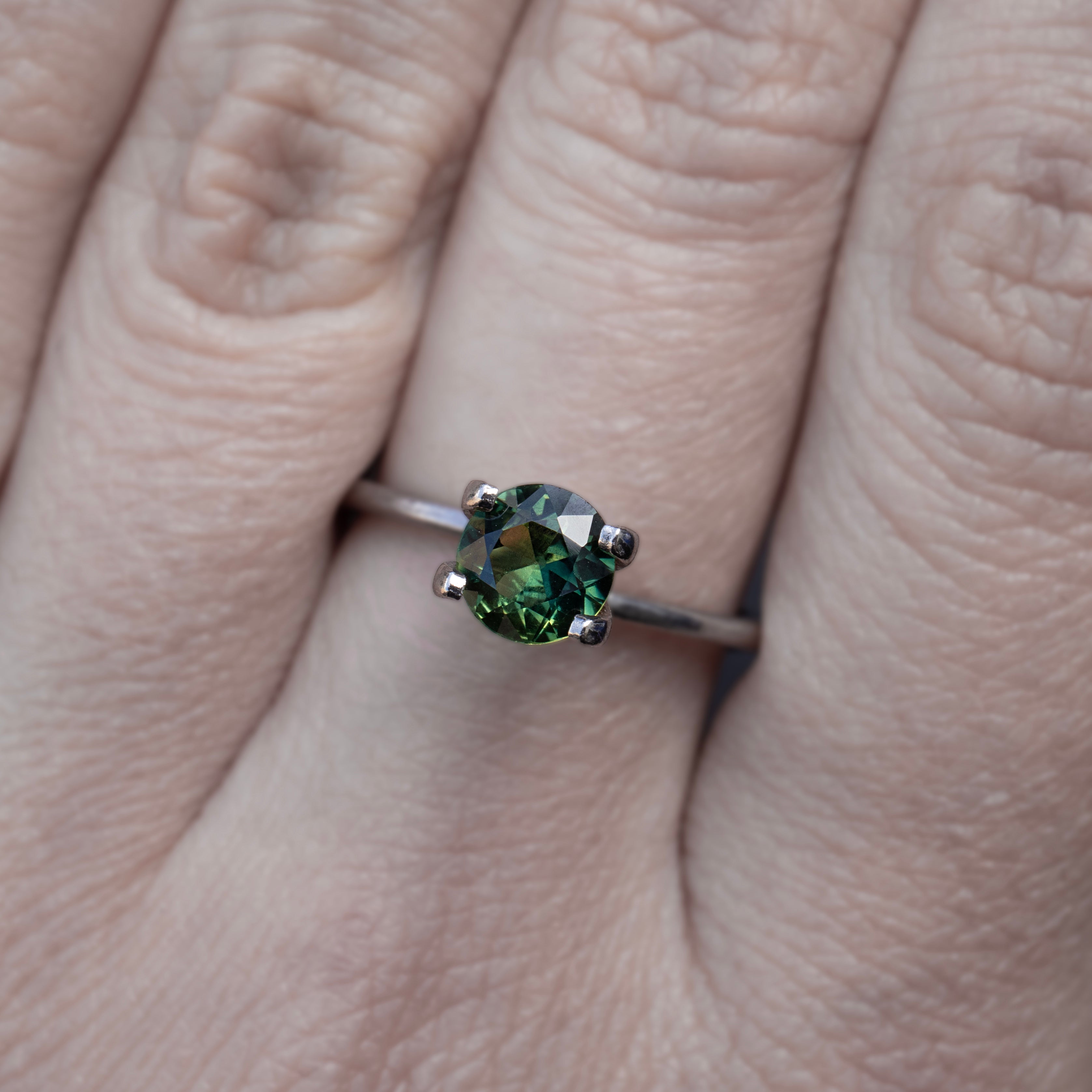
Parti Sapphires, also known as Bi-colour, Tri-colour, or Polychrome Sapphires, are a rare type of corundum gemstone that, like Salt & Pepper Diamonds, cannot be replicated in a laboratory. Parti stones display two or three distinct colours within the same stone, typically in combinations of blues, greens, and yellows that complement one another like peacock feathers.
These unique colour zones occur naturally during crystal formation as different trace elements were present at different stages of growth. The result is a gemstone that shifts and changes depending on the angle of view and the light.
Although Parti Sapphires can be found around the world, Australia is the premier source for these distinctive stones, particularly from the New England region of New South Wales and Central Queensland.
Best for:
- One-of-a-kind engagement rings
- Those drawn to organic, natural beauty
- Stones that shift and change with light
- Pairing with Yellow Gold or mixed metal designs
Considerations:
- Each stone is completely unique
- Cannot be lab-created or replicated
- Colour distribution varies widely from subtle to dramatic
- More affordable than fine Blue Sapphires of similar size
HEAT TREATMENT & ENHANCEMENTS
Heat treatment of Sapphires is a common, accepted, and centuries-old practice used to enhance or intensify colour and improve clarity. The vast majority of Sapphires on the market have been heat-treated.
Heat treatment is permanent and stable, involving heating the rough stone to temperatures of 1,700-1,800°C. This process is considered a standard enhancement and does not diminish the value of the stone significantly compared to unheated stones of similar quality.
Unheated Sapphires command premium prices when they display desirable colour and clarity naturally, without enhancement. Montana Sapphires, particularly from Yogo Gulch, and Vietnamese Sapphires from Yen Luc are often naturally beautiful without treatment. Fine Ceylon Sapphires are also prized when unheated.
Beryllium Diffusion Treatment
Beryllium diffusion is a more controversial treatment that involves heating Sapphires with beryllium to create or intensify certain colours, particularly orange and red hues. Unlike standard heat treatment which only reorganises existing elements within the stone, beryllium treatment introduces a foreign element into the crystal structure.
This treatment can create vivid orange, "padparadscha-like," or even red colours in stones that would otherwise be pale or undesirable. Whilst the treatment is permanent and stable, it is considered a significant enhancement that must be disclosed, as it fundamentally alters the stone's composition rather than merely improving what nature created.
Beryllium-treated Sapphires are worth significantly less than naturally coloured or heat-only treated Sapphires. Gemmological testing can detect beryllium treatment, and reputable suppliers always disclose this enhancement.
Treatment Disclosure
All treatments should always be disclosed by your jeweller. All Sapphires used in Alicia Hannah Naomi jewellery include full disclosure of any treatments, including heat treatment and beryllium diffusion if present.
SAPPHIRE ORIGIN COMPARISON CHART
| Origin | Characteristic Colours | Best For | Price Point |
|---|---|---|---|
| Australian | Dark blue, Parti (blue/green/yellow) | Unique colour, durability | $$ |
| Ceylon (Sri Lanka) | Cornflower blue, pink, Padparadscha | Clarity, brilliance | $$$$ |
| Madagascar | Full spectrum of colours | Variety, value | $$ |
| Songea (Tanzania) | Warm yellows, oranges, peachy pinks | Warm tones, saturation | $$ |
| Montana (USA) | Pastel blue, teal, green, peach | Unheated, muted tones | $$$ |
| Vietnam | Milky with sunset/frost undertones | Opalescent, unique character | $ - $$$ |
WHY CHOOSE SAPPHIRES FOR ENGAGEMENT RINGS
As the second hardest gemstone after Diamond, corundum offers exceptional durability for jewellery meant to be worn every day for a lifetime. With a Mohs hardness of 9, Sapphires resist scratching and maintain their polish and beauty through years of wear.
Unlike White Diamonds, which have a narrow scale for colour grading (and therefore often look identical), Sapphires offer an array of colours and regional characteristics that make each stone different and special. From traditional Ceylon cornflower blue to Australian Parti-coloured stones to the warm tones of Songea Sapphires to the ethereal opalescence of Vietnamese stones, these gems provide endless opportunities for personalisation and unique expression.
It is much easier to trace a Sapphire back to its mine of origin than it is for a Diamond. This is because most Sapphires come from small mines run by families or local groups, not large industrial operations. This traceability, combined with their natural colour variations and exceptional durability, makes Sapphires an outstanding choice for engagement rings with both character and provenance.
FREQUENTLY ASKED QUESTIONS ABOUT SAPPHIRES
What are Parti Sapphires?
Parti Sapphires are natural corundum gemstones that display two or three distinct colours within the same stone, typically combinations of blue, green, and yellow. These colour zones occur naturally during crystal formation and cannot be replicated in laboratories, making each stone completely unique. Australia is the premier source for Parti Sapphires.
Are Sapphires suitable for engagement rings?
Yes, absolutely. With a Mohs hardness of 9 (second only to Diamond's 10), Sapphires are exceptionally durable for everyday wear. They resist scratching and maintain their beauty through years of wear, making them an excellent choice for engagement rings.
Do all Sapphires come in blue?
No. Whilst Blue Sapphires are the most recognised, corundum occurs naturally in almost every colour including yellow, pink, green, orange, purple, grey, white, and black. Only red corundum is called Ruby—all other colours are Sapphires. Different regions produce characteristic colour ranges.
Are most Sapphires treated?
Yes, the vast majority of Sapphires have been heat-treated to enhance or improve their colour and clarity. Heat treatment is a centuries-old, accepted practice that is permanent and stable. Unheated Sapphires with desirable colour are rarer and command premium prices, particularly Montana Sapphires from Yogo Gulch and Vietnamese Sapphires from Yen Luc. Treatment should always be disclosed.
What makes Australian Sapphires unique?
Australian Sapphires are known for their dark, rich blue tones and are the premier source for Parti Sapphires—unique bi-colour or tri-colour stones that display zones of blue, green, and yellow within the same gem. These Parti stones cannot be replicated in laboratories, making each one completely one-of-a-kind.
What is the difference between Ceylon and Australian Sapphires?
Ceylon (Sri Lankan) Sapphires are typically lighter, brighter cornflower blue with excellent clarity, whilst Australian Sapphires tend toward darker, inky blues and unique Parti-colouring. Ceylon stones generally command higher prices due to their brilliant colour and clarity, whilst Australian stones offer excellent value and distinctive character.
Can you tell where a Sapphire comes from just by looking at it?
Often, yes. Different regions produce Sapphires with characteristic colours and inclusions that can help identify origin. For example, Australian Sapphires tend toward dark blue and Parti-colours, Ceylon Sapphires are known for lighter cornflower blues, Montana Sapphires display distinctive pastel hues, Songea Sapphires show warm tones, and Vietnamese Sapphires show opalescent qualities with unique undertones. However, definitive origin determination often requires gemmological testing.
Do lab-grown sapphires exist?
Yes, lab-grown Sapphires exist and have been around since the early 1800's. They are chemically identical to natural Sapphires; however, they cannot replicate unique natural phenomena like Parti-colouring or the distinctive characteristics of specific origins.
I work primarily with natural Sapphires but can source lab-grown stones on request for specific projects.
How do Sapphires compare to Diamonds for engagement rings?
Sapphires offer exceptional durability (hardness 9 vs Diamond's 10) with much more colour variety and typically lower cost. Whilst Diamonds offer superior brilliance and fire, Sapphires provide unique character, regional provenance, and easier origin tracing. Both are excellent choices depending on your priorities.
Do you source conflict-free Sapphires?
Most Sapphires come from small mines run by families or local groups rather than large industrial operations, making origin tracing easier than with Diamonds. When sourcing centre stones, I work with trusted suppliers who provide full disclosure of Sapphire origins and treatments.
CARING FOR YOUR SAPPHIRES
Sapphires are exceptionally durable, but still benefit from proper care.
Cleaning: Clean Sapphire jewellery regularly with warm water and mild soap. Use a soft brush to gently remove dirt from settings and behind stones. Ultrasonic cleaners are generally safe for Sapphires.
Storage: Store Sapphire jewellery separately to prevent stones from scratching softer gems or metal.
Professional Check: Have settings checked annually by a jeweller to ensure stones remain secure.
Note: Heat-treated and beryllium-treated Sapphires require no special care beyond normal cleaning. Both treatments are stable and permanent.
NATURAL SAPPHIRES AVAILABLE FOR BESPOKE AND CUSTOM PIECES


SPECIAL SAPPHIRE RINGS TO TREASURE


