
The Alchemy of Metals: Gold, Silver & Precious Alloys
Choosing the right metal for your engagement ring, wedding band, or fine jewellery is one of the most important decisions you'll make. Understanding the differences between Sterling Silver, 9ct Gold, and 18ct Gold—and how gold tones like yellow, rose, and white are created—helps you make an informed choice that will last a lifetime.
All Alicia Hannah Naomi jewellery is handcrafted from non-allergenic, solid precious metal alloys. This guide explains what each alloy contains, how they differ, and which is best for your needs.
UNDERSTANDING METAL ALLOYS
Pure metals like Silver and Gold are too soft for everyday wear. To make them durable enough for jewellery, they're mixed with small amounts of other metals—this mixture is called an alloy.
The purity of an alloy is indicated by its hallmark number.
925
STERLING SILVER
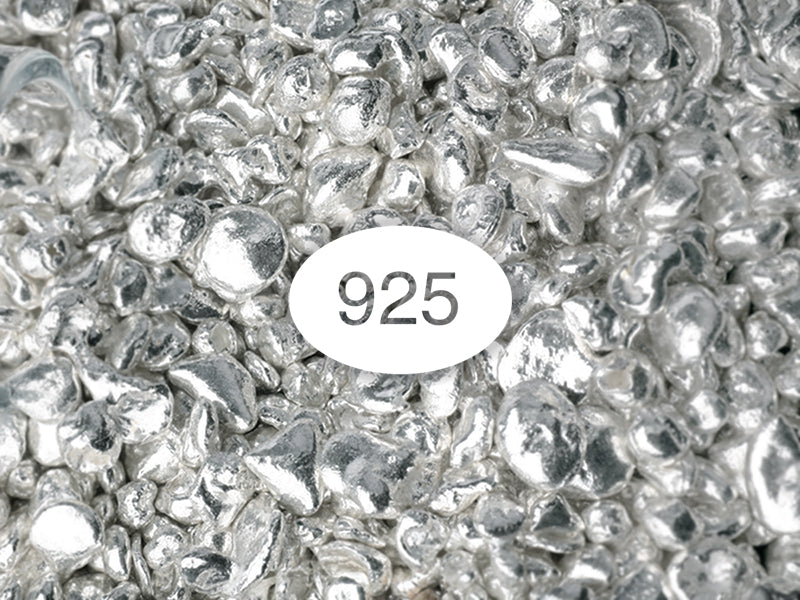
Pure Silver is considered too soft for daily wear as jewellery, so the pure metal is alloyed (mixed) with a little Copper to get its strength and durability.
Sterling Silver is 92.5% pure Silver and 7.5% Copper. The Australian standard hallmark for Sterling Silver is the number 925 inside an oval.
Best for:
- Statement pieces and everyday jewellery
- Budget-conscious choices
- Those who prefer cool-toned metals
Considerations:
- Tarnishes naturally over time (develops a patina)
- Requires occasional cleaning
- Softer than gold alloys
375
9CT GOLD
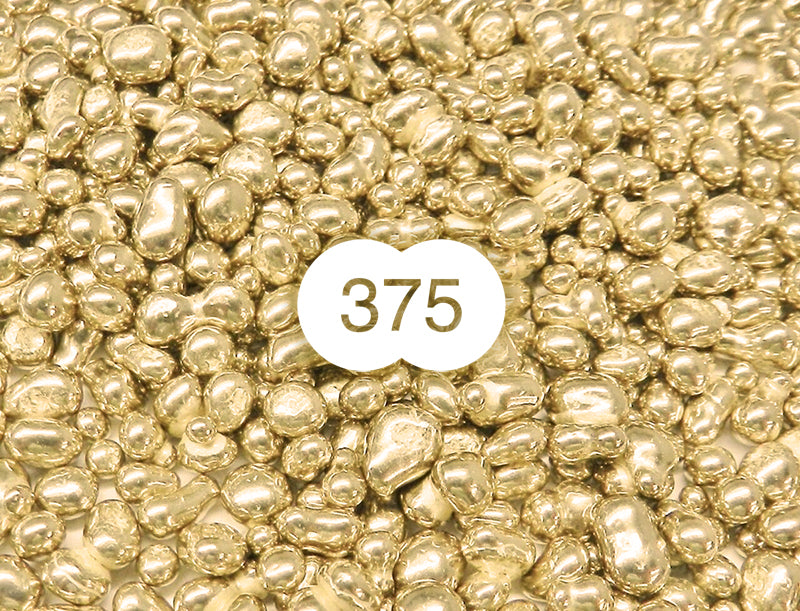
Like Sterling Silver, pure Gold is also too soft for daily wear as jewellery; so, to increase its strength and durability, pure Gold is alloyed with other metals such as Silver, Copper, and Palladium, resulting in the different carats (and colours) of Gold.
9ct Gold is 37.5% pure Gold. As this alloy contains a lower amount of pure Gold, 9ct Gold is a paler looking tone than it's purer counterpart 18ct Gold.
The Australian standard hallmark for 9ct Gold is the number 375 inside two conjoined circles.
Best for:
- Everyday wear
- Those seeking durability at a lower price point
- Pieces with robust proportions that can withstand daily wear
Considerations:
- Excellent value for money
- Paler tone than 18ct gold
- Slightly more brittle due to higher alloy content so not as durable in thinner designs
750
18CT GOLD
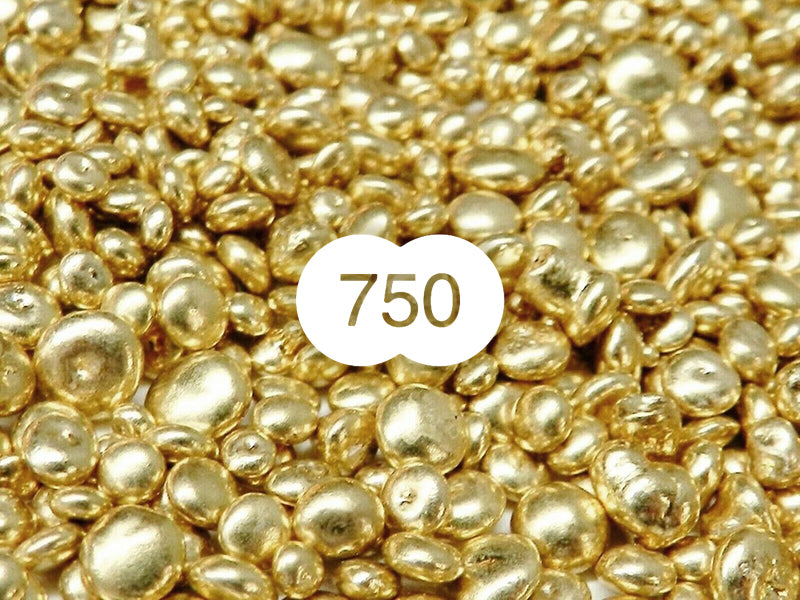
18ct Gold is 75% pure Gold. As this alloy contains a higher amount of pure Gold, 18ct Gold is a deeper, richer tone than it's less pure counterpart 9ct Gold.
As this alloy contains a high amount of pure Gold, it is considered very strong, durable and flexible.
The Australian standard hallmark for 18ct Gold is the number 750 inside two conjoined circles.
Best for:
- Engagement and wedding rings (my preferred choice)
- Heirloom pieces meant to last generations
- Those who want the richest and most luxurious gold tone
- Pieces that are more delicate or with intricate detailing
Considerations:
- The most expensive choice due to it's high purity
Why I prefer 18ct for bridal jewellery:
The higher gold content means better flexibility, which is crucial for rings worn daily. It's less likely to crack or become brittle over decades of wear, and the colour depth is unmatched.
CHOOSING YOUR GOLD TONE
| Tone | Best For | Skin Tone Pairing |
|---|---|---|
| Yellow Gold | Classic, warm aesthetic | Warm and olive skin tones |
| Rose Gold | Romantic, vintage feel | Most skin tones, especially fair |
| White Gold | Modern, cool aesthetic | Cool skin tones |
Pure Gold is naturally a rich yellow in colour. The Yellow Gold alloy consists of pure Gold, Silver, and Copper, mixed in just the right proportions to keep the tone Yellow. 9ct Yellow Gold is more subtle and light-toned yellow than 18ct Yellow Gold, which is deeper and richer in tone.
YELLOW GOLD
ROSE GOLD
Rose Gold is a mixture of pure Gold, Silver, and a higher percentage of Copper than Yellow Gold, which is how it gets it’s romantic warm pink/red hue.
9ct Rose Gold is paler and pinker in tone; 18ct Rose Gold is a deeper redder shade.


WHITE GOLD
In Australia, White Gold is created by alloying pure gold with palladium, a precious white metal. This is what gives white gold its cool, silvery tone.
Why my white gold looks different:
Most commercial jewellers plate white gold with rhodium to make it bright white. This plating wears off over time, requiring re-plating every few years.
I don't rhodium plate my white gold. What you see is the true, natural colour of the alloy—a soft, warm grey that won't change over time.
9ct White Gold is a pale grey similar to bright sterling silver; 18ct white gold is a deeper grey similar to oxidised sterling silver.
Which metal is the best choice for wedding and engagement jewellery?
As future heirlooms, wedding and engagement jewellery are lasting testaments of your love and devotion.
My recommendation: 18ct Gold
For engagement rings and wedding bands meant to last a lifetime, 18ct gold is the ideal choice. Its 75% pure gold content provides the perfect balance of:
- Strength for daily wear
- Flexibility to prevent cracking
- Easier to repair
- Rich, deep colour that won't fade
- Durability for intricate textures
Best alternative: 14ct Gold
This speciality alloy is becoming more common in Australia and a choice I can work with on request.
At 58.5% purity, 14ct gold sits between 18ct and 9ct, offering a middle ground in both colour depth and durability. It provides a richer tone than 9ct whilst remaining more affordable than 18ct—ideal for those seeking balance between quality and cost.
Good alternative: 9ct Gold
This alloy offers good durability at a lower price point if the design is thick enough. With 37.5% pure gold, it's strong enough for everyday wear, though slightly more brittle than 18ct. An excellent choice for those prioritising budget, but not recommended for very thin or delicate designs.
Not recommended: Sterling Silver
While beautiful, Sterling Silver's softness makes it unsuitable for heirloom pieces. It's a great alloy for everyday adornment but has poorer longevity over decades. If you choose Sterling Silver for sentimental or budget reasons, expect to replace it after 3-5 years of wear.
| Metal | Purity | Durability | Best For | Price Point |
|---|---|---|---|---|
| 18ct Gold | 75% gold | Excellent | Engagement rings, heirlooms | $$$$ |
| 14ct Gold | 58.5% gold | Very Good | Balance of quality and cost | $$$ |
| 9ct Gold | 37.5% gold | Very Good | Everyday jewellery, budget-conscious | $$ |
| Sterling Silver | 92.5% silver | Good | Everyday and statement pieces, not bridal or heirloom | $ |
What about Platinum?
Platinum is a popular precious white metal alloy for jewellery, particularly for wedding and engagement jewellery. It is an alloy of 95% pure Platinum and a mix of other metals, such as Ruthenium, Copper, Cobalt, Iridium, or Palladium.
Platinum is very expensive. Although it is presently less expensive than Gold per gram, it is also extremely dense— meaning you need more grams of Platinum than you need grams of Gold for the same design.
Due to it's extremely high amount of pure Platinum, it is considered very soft and is known to scratch and burnish easily, which is not compatible with Alicia's highly detailed textural work, and cost-prohibitive to replace.
Platinum is an alloy best suited to smooth, sleek, polished designs; where the wear-and-tear is less visually impactful.
If you want a white metal for your engagement ring: I recommend White Gold instead. It offers a similar cool tone without the excessive cost or softness issues of Platinum.
Why doesn't your studio use 10ct or 14ct Gold?
The Alicia Hannah Naomi studio is based in Australia and uses Australian gold standard alloys. 10ct and 14ct are not Australian standard alloys and are more commonly seen used across the Americas and Europe.
Alicia can source 14ct Yellow Gold alloy upon request. Please submit a Customisation Request to the studio to enquire about crafting your desired item in 14ct Yellow Gold or 14ct Rose Gold. 14ct White Gold is currently not available.